Showing posts with label creative material. Show all posts

Wednesday, January 23, 2013

Creative Material - ceramics


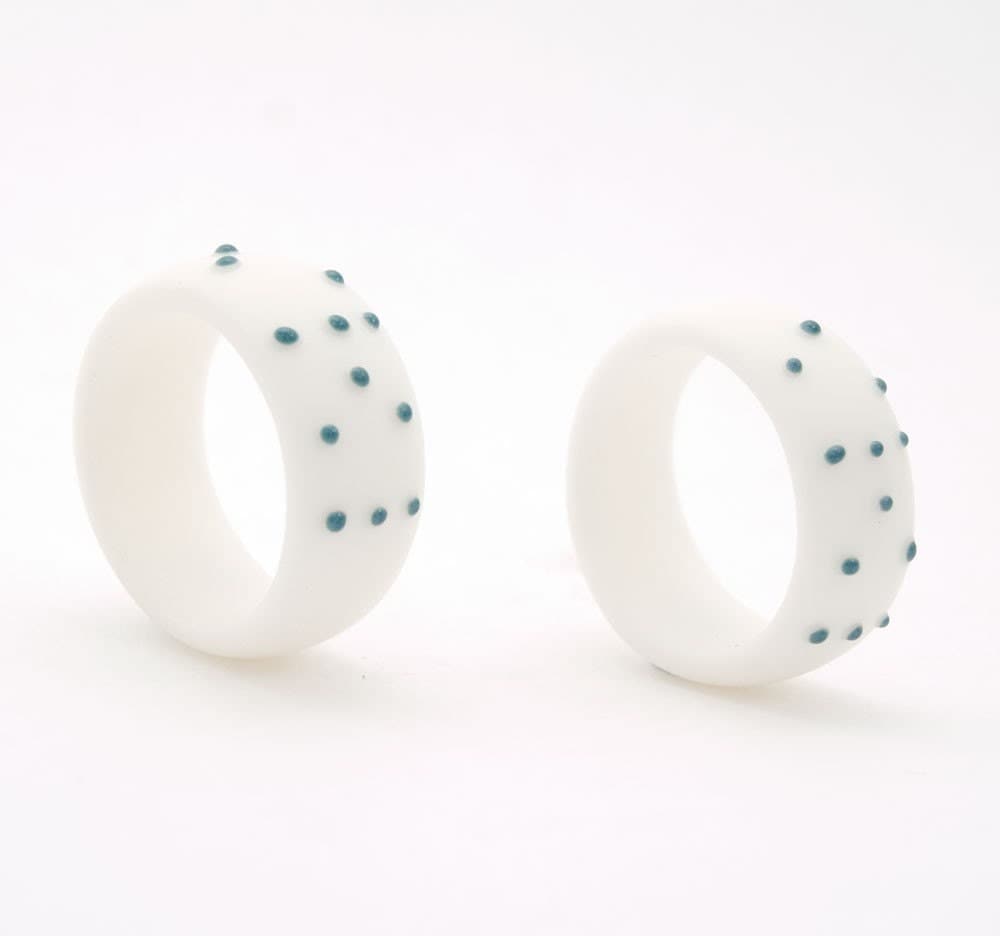
Monika, the designer and the sculptor behind MaaPStudio says: My jewelry is made from Parian porcelain which, left unglazed, gives a soft feel to the ceramic pieces. Porcelain is a challenging material and requires a lot of patience. My aim is to extend its material possibilities in order to bring about unique pieces.
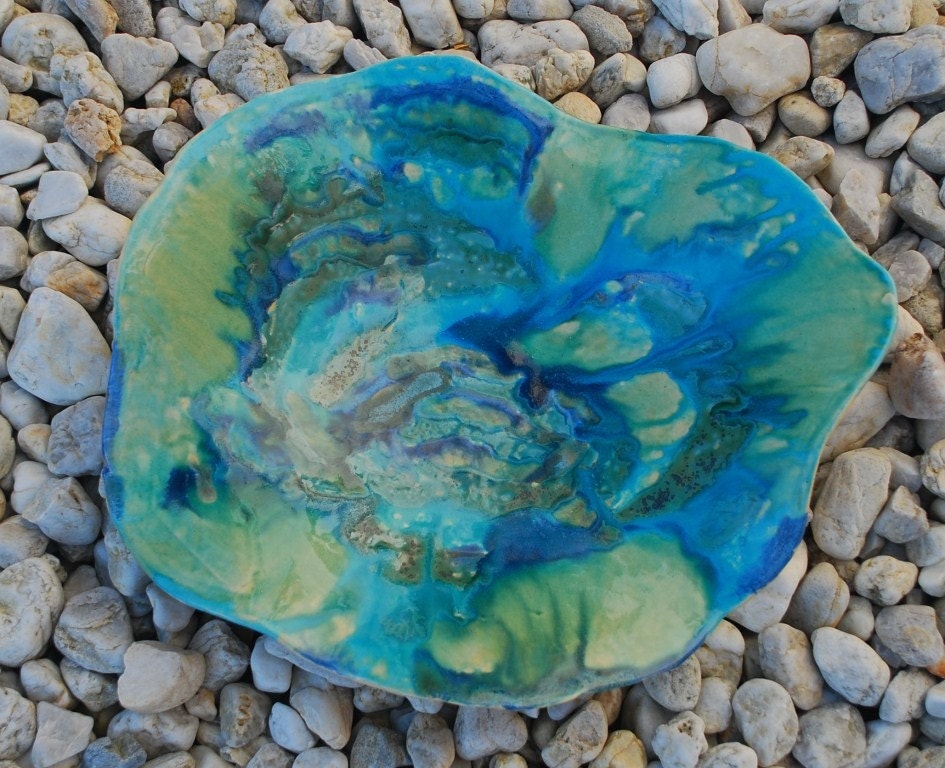

EMuu from EMuuGallery says: Ceramic is currently my favorite creative material. In my opinion ceramics is a craft while the real creation materials are clay and glaze. Clay gives me a huge range of possibilities. The multitude of techniques for forming clay objects, decorating and then firing them means you can’t get bored with it. I don’t have any particular favorite technique: I find so much enjoyment in clay for its versatile, almost limitless, possibilities. Glaze is an extremely important and fascinating material. On the one hand it is one of the basic materials used to decorate and secure ceramics: adds character, color and gloss. On the other, due to their chemical and physical properties, glazes are the link between glass and clay. The most intriguing thing about glazes – you may make them yourself. With some knowledge about chemical and physical features of the components, and with some understanding of the firing process one can create unique, new glazes. Another creative element then.
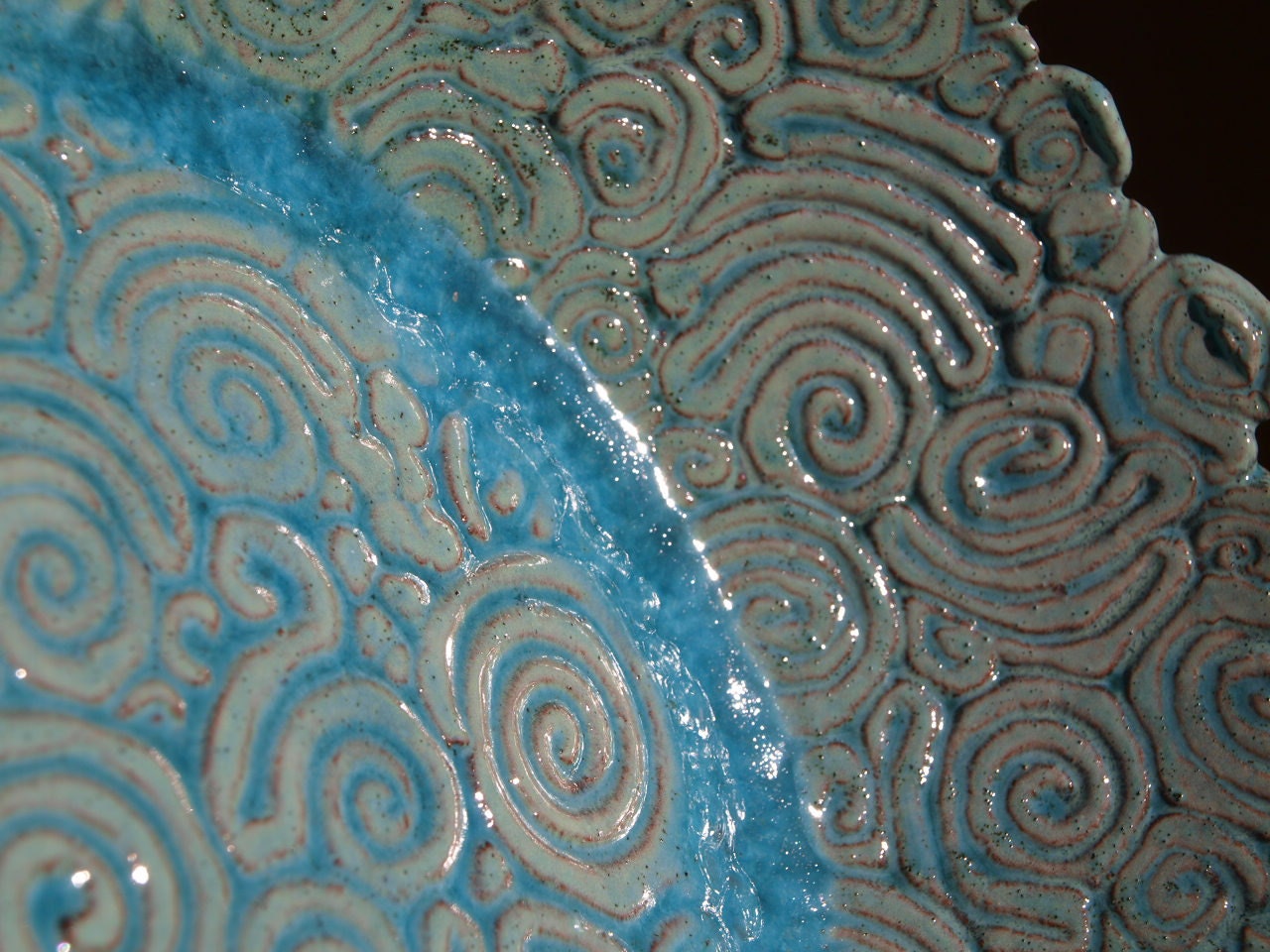

Kasia from Ozdonik says: Ceramic gives many possibilities and there's only a few non-breaking rules. In my opinion first and most important is "stay creative". There are loads of techniques and styles and each one gives a different and unique effect. The whole process despite its length (even 2-3 weeks before clay gets completely dry, than first - bisque - firing than glazing and second firing) makes me so excited, especially when I try new additions to glaze or when I mix glazes the way I haven’t before. Sometimes effects are really surprising and hard to repeat.
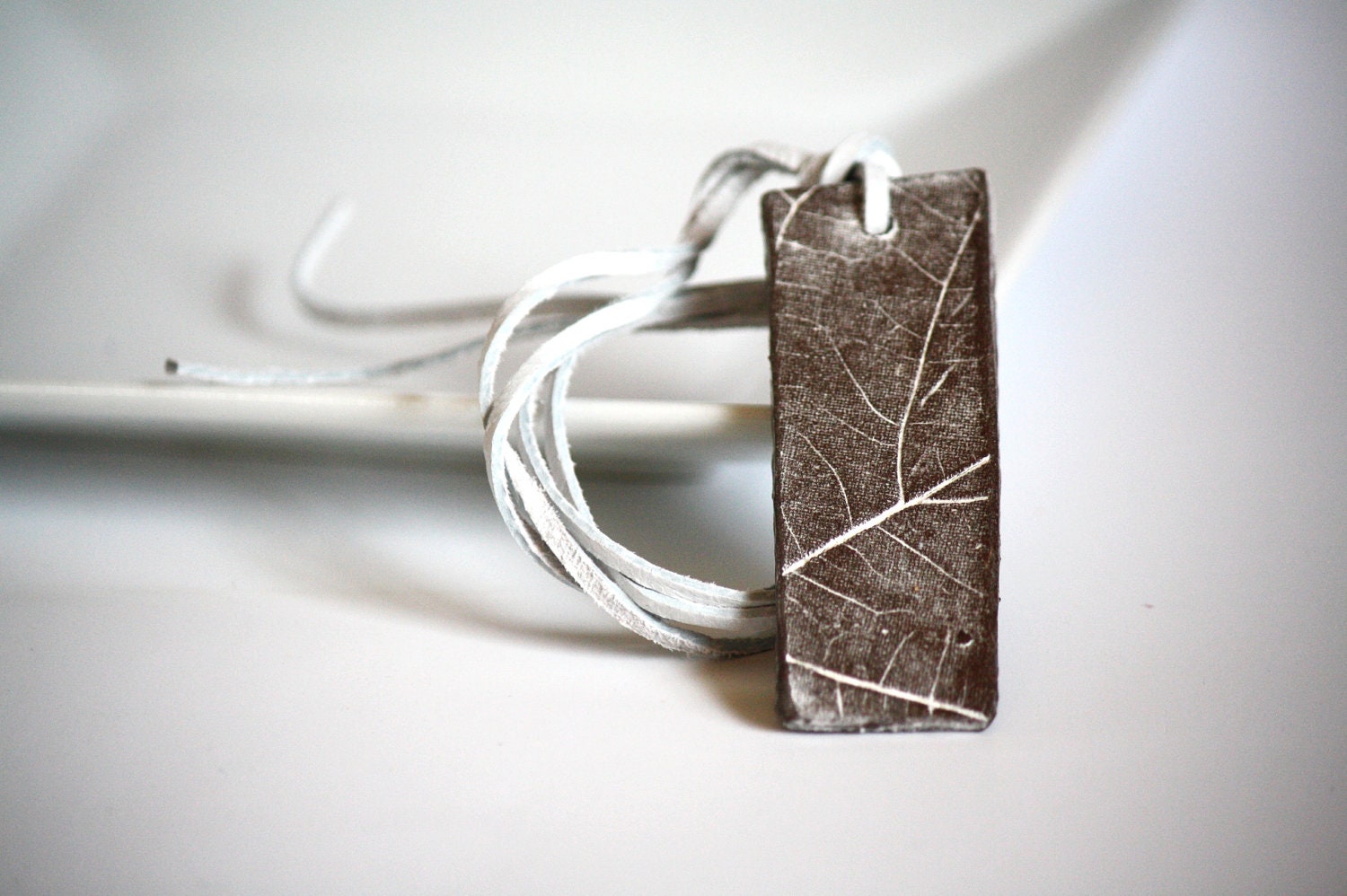

Kasia from CatHot: Since I can remember I've always wanted to try my hand at working with clay. As a little girl, I made dishes, beads and animals from the "clay" found in the front yard. I was very happy when the opportunity arose to participate in workshops with genuine clay, glaze and kiln. It's amazing how particles of the earth can conjure up a beautiful piece of jewelry, a mug, a jug or a plate. Working with ceramics really fascinates me. I learned a lot. This technique is time consuming and labor intensive yet you have to be very delicate and precise. I hope that I will have the opportunity to continue that inspirational experiment.

Friday, November 30, 2012

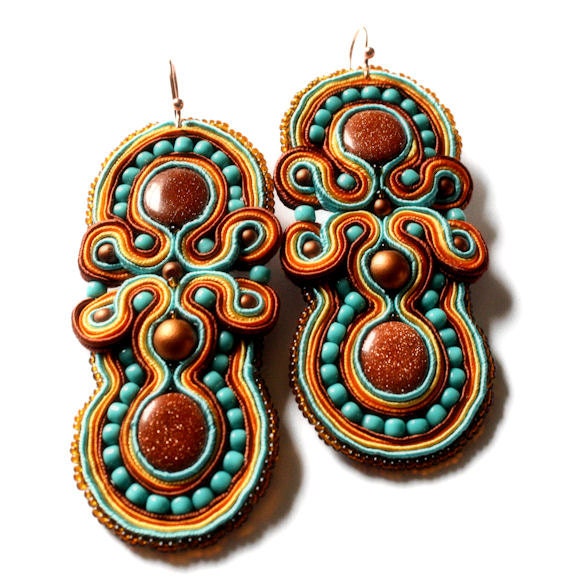
Creative Material Soutache


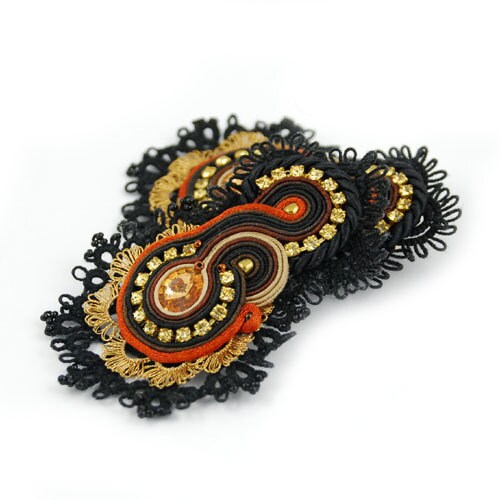
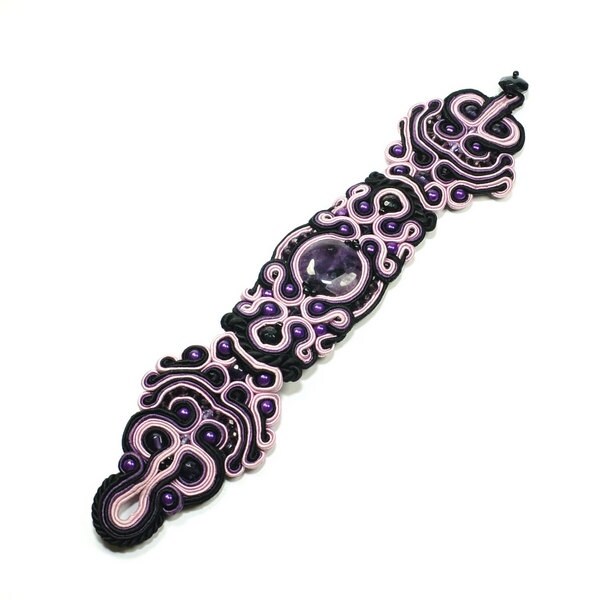
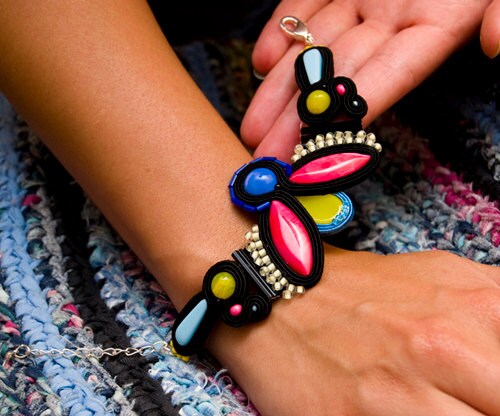
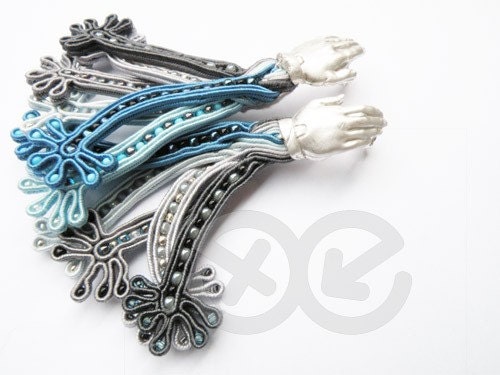
Anna Jaroszewicz from Hannah Studio: The use of soutache (Russia Braid) for ornamentation in clothing, uniforms or shoes was known already in ancient times and sucesfully employed through centuries until nowadays. We can find it in ancient Babylon, baroque France or Russia and in English representative uniforms. The technique of soutache embroidery in jewellery was propagated by israeli artist Dori Csengeri who over ten years ago bravely started up with her innovative project. In short, we could describe the specifics of soutache embroidery as stitching together braids and placing decorative stones, glass beads and other elements between them. Materials needed are: Russian braid, nylon thread, thin needles for beading, glue for textiles, beads made of glass, plastic and ceramics, Swarovski crystals, natural and syntetic stones. We will also need glue, impregnant, leather or felt for finishing the backing, and a few other tools like scissors etc. My first projects were done by intuition, because there were no information sources or practical instructions. For over half a year by trial-and-error I was getting to the technical perfection. Soutache embroidery is immensely facinating and unlimited in form. You can combine random configurations of flourishes and colours. You can also add elements created in other techniques like metal-work, felt, macrame, wire-wrapping etc. The finished project can give a surprising effect, because at the beginning you cannot predict what will be the final version. Creating in soutache embroidery requires quite a lot of patience and obedience, because it’s not easy to harness braids. It requires also high manual skills to shorten the time of accomplishment, so it wouldn’t bore us and put off. 


Ania from ArtStyleBizu: My adventure with Soutache began two years ago and from the first moments I loved braids. Implementation of jewelry in this technique is very time consuming but the results are sometimes really suprising. The choice of colors and innumerable ideas for design are main advantages of this techniqe. Soutache jewelry is beautiful and very impressive, almost magical. The perfect combination of color, stones, crystals, glass beads and silver. Each set of my original jewelry is made with great attention to every detail.


Manuela from MANUfakturamaanuela: Soutache gives a lot of possibilities. Large range color of strings, beads in different shapes and sizes allows you to create unique works. My advice on technique - don't be afraid to mix and match colors seemingly matching! :))


Alina from Antidotum: There are several reasons why soutache has become one of my favorite jewelry making techniques. One of them can be seen with the naked eye - it's fabulous colors, which can be a kick to create. The other, known for those who are familiar with this technique: the satisfaction you feel after many hours of tedious work when the piece slowly gets ready. In my case, it is also a kind of adventure, as I begin to work with just a sketch vision of what I want to do, then I give the lead to the materials :)


Kamila from KimimilaArt : My adventure with braid began about 2 years ago - by accident I came across a post about this on the forum wizaz.pl. Lovelies  - I thought and I utterly fell in love. It was very difficult to find Russia braids. I live permanently in the United States and could not find anything that suited me. I placed an order in a Polish shop, the parcel went to my family in Poland and from there to Montana. And after 2 weeks I could take the first soutache trial. The beginnings were quite hard, I did everything by trial and error,  but somehow after a while I achieved  what I wanted. I like braids for the opportunity to create something combining the richness of European royal courts, ethnic jewelery and simple modern forms. And of course the endless color madness.

Tuesday, September 25, 2012

Creative material: Graphic design


Justyna from SillyretroPrints: I am an interior designer so in my work I use Graphic Design as an important element of interior decorating, something that can put all things in order.  Sometimes I could not find a graphic suitable for an interior I was working on, I started designing posters for a specific space - and so was the shop SillyretroPrints born. As the name implies continual inspiration for me is the graphics of past decades, which I try to mix with contemporary elements. Exactly the same trends can be seen in interior design. Vintage style is a perfect example.


Zyzanna: I mainly use graphic design for the packaging of my products. They don't often appear on the main picture of an item listing on Etsy, but I think it is good to show how it looks packaged. Good packaging is definitely crucial when you go a step further and have your items stocked in shops and galleries. Well designed packaging will enhance the item and help it stand out, even if it's just a bit of card with a print on it. I normally treat the front of my brooch backing cards  as the pretty, eyecatching part, whereas the back carries all the practical info. A lot of my brooches are bought as presents, so the few words about the product and myself will give the lucky gift-recevee an idea as to who I am and where to find me.


Monika from Papiernik: Graphic design is my profession, and at the same time the greatest hobby. I love mixing  elements  drawn or painted by hand with those created in the computer. Thanks to computer programs today, designers have wonderful possibilities - to make the most of this tool one should experiment a lot, looking for one’s own techniques and visual language. And above all - have fun at the same time.


Agnieszka from DigiMoments: I love designing and working with Corel Draw. This graphic program is great for making invitations, greeting cards, banners etc. You can start using this program with something easy to do,  such as simple business cards. Enjoy!:)

Tuesday, August 28, 2012

Creative Material: embroidery


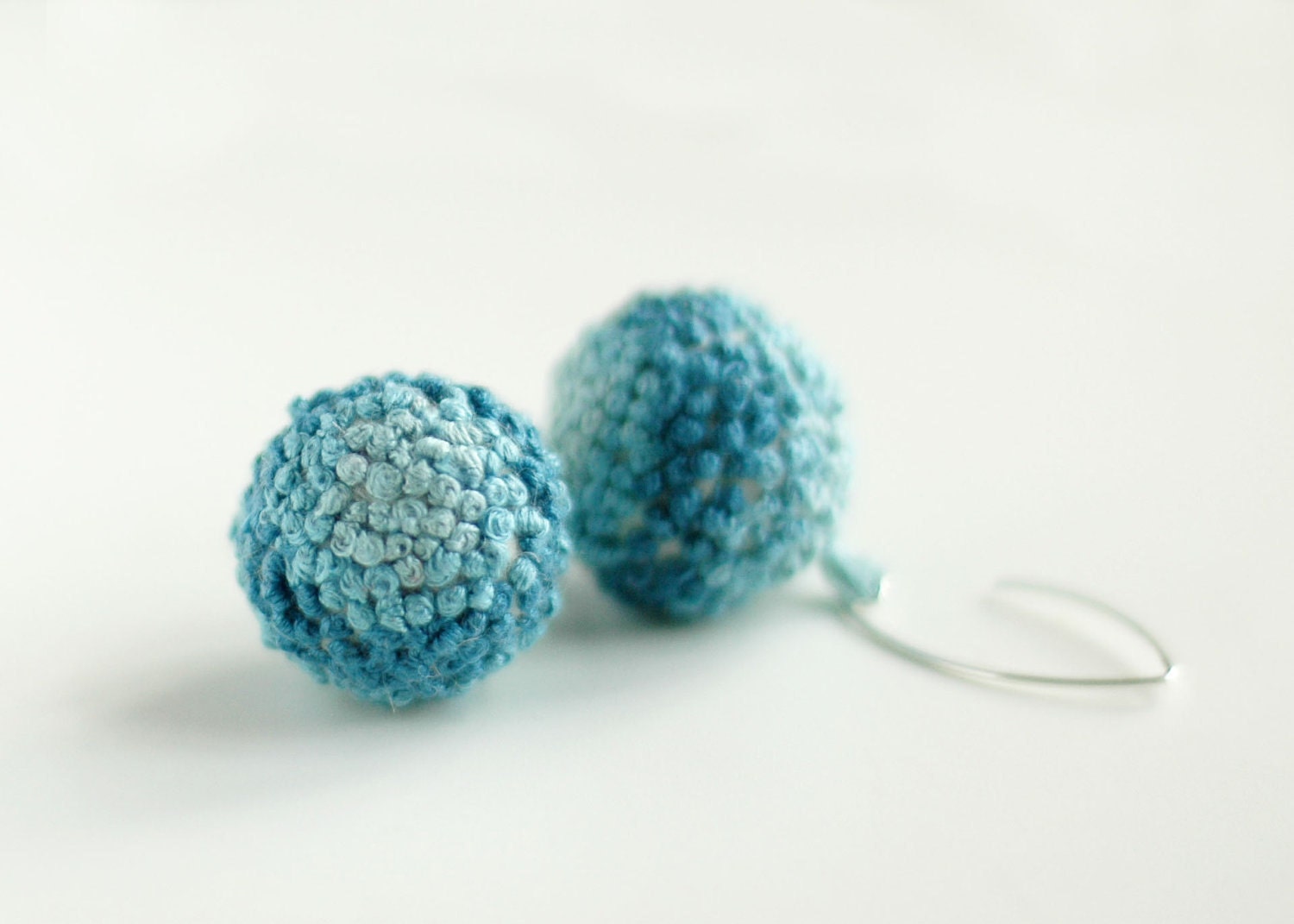
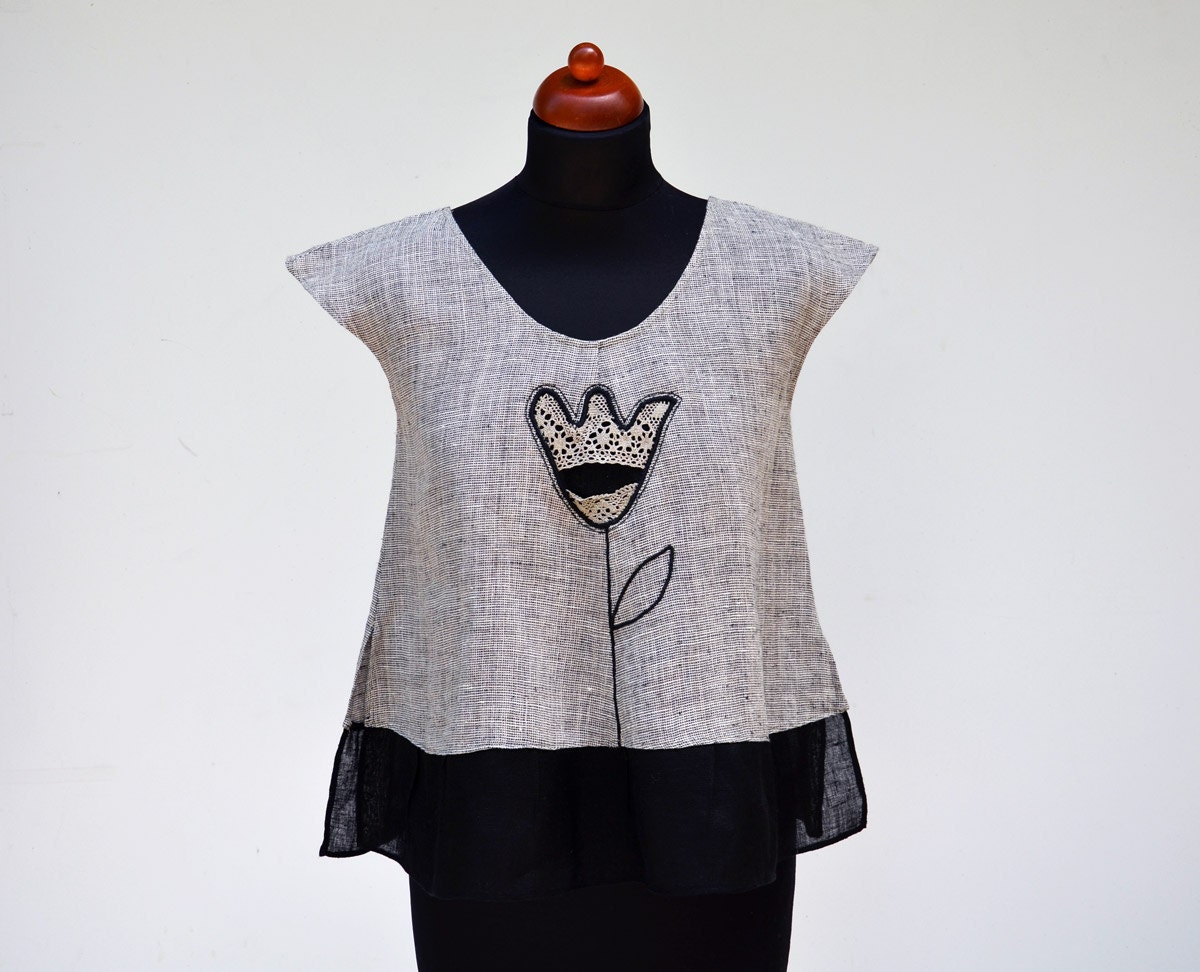
Magda from Feltik says: I use some embroidery in my felt jewelry and accessories. I love how it connects tradition and modernity. I hope to learn old traditional embroidery techniques and patterns and use them in modern items. I think it is important to pass this tradition for future generations and safe it from being forgotten.


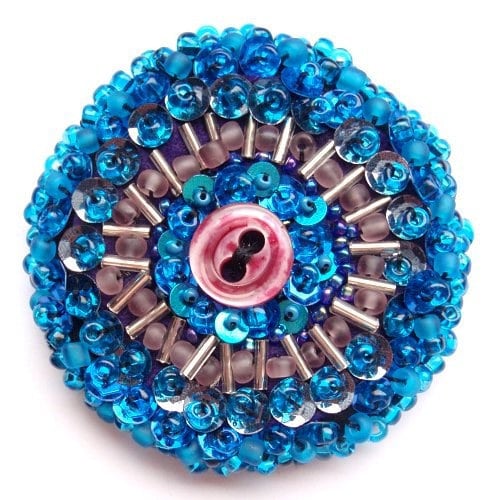
Karolina from Drycha says: Once I wanted to have something  to do on crafty meeting, something that does not take up much space so I took some felt, beads, sequins, needle ... Soon I had dozens of embroidered brooches because I made them  at every opportunity. That was it! It happend last January, since then the work has improved: instead of felt the eco-leather, sequins somehow relegated by the new  elements such as glass cabochons with my artwork, watch dials, etc. Once in a while I still try new things such as doing beaded beads. What I like most about embroidery? The stitching is relaxing (unless the thread gets too much messy;), besides the EFFECT! As a magpie I love the bright and sparkling gem!


Zofia and Anna from ZOJKAshop say: In our work we use mainly embroidery machine, but we do not use ready-made, pre-programmed patterns. For us, the stitch is another technique of art, a way to save the line, it’s like a drawing. It makes machine embroidery as unique as a handwritten drawing.


Wednesday, June 27, 2012

Creative Material: Silk


Carol from FiveOClocks says: Like no other fabric silk has a unique pearly glow which emanates from within. Even as a small decorative element it is able to intrigue and attract your eyes with it’s shine and softness.  The greatest ancient cultures were fascinated by silk and the art of decorating it. Oriental floral and animal motifs printed and embroidered on silk always fascinated me. So I decided to weave always at least a small part of silk in my necklaces, as such, a small symbol of continuity in the art of handicrafts and a nod to old artists. This delicate fabric is for me a kind of bridge between the present and the history and art, which arose as a result of the human fascination with the silk tiny thread.


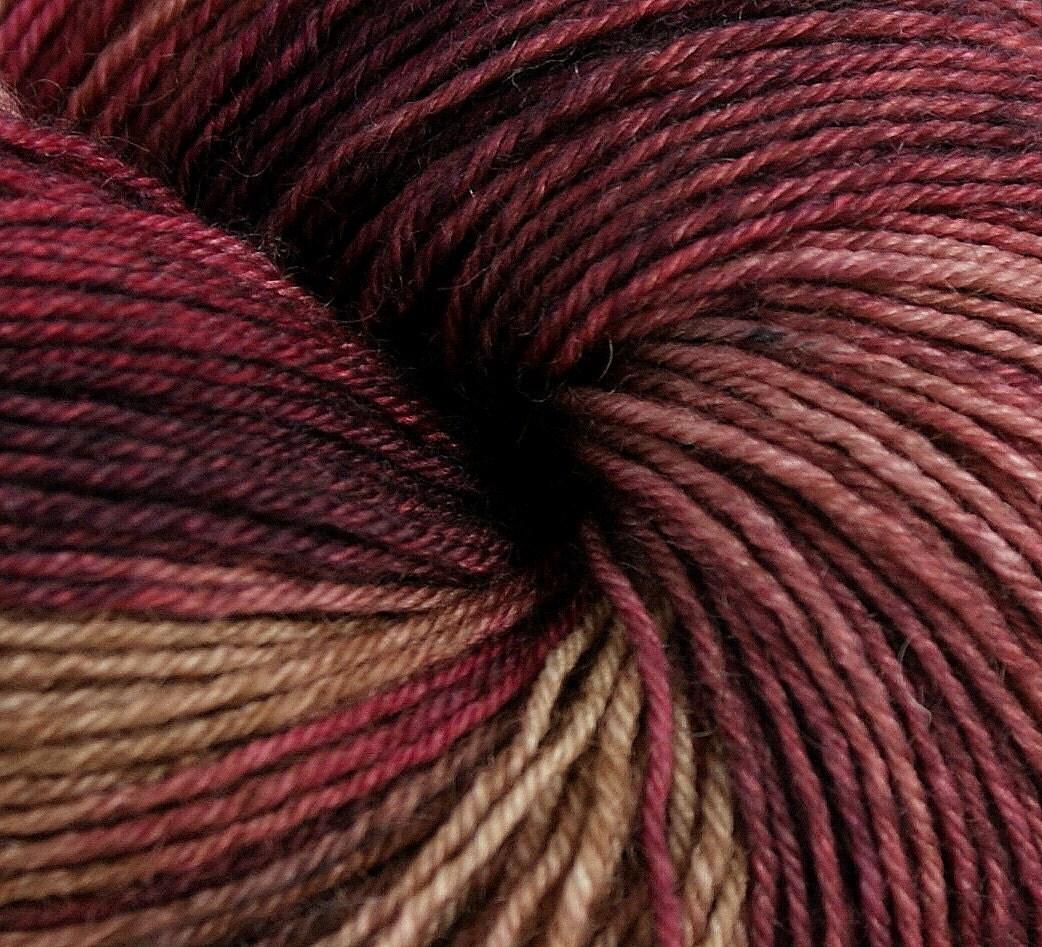
Dagmara from DagnyKnit: I use silk as a yarn and this is usually pretty thin thread: 1000-1500 yards/100g. But to work with it is not as hard as it may seem, it’s just as enjoyable as the use of the finished product.  Softness, lightness and a nice, cool touch, these are the features that distinguish this material. It is also a great alternative for allergy sufferers who can not wear wool and mohair scarves. Silk should be treated gently: hand wash and rinse in lukewarm water.


Justyna from YarnAndFabricArt: I use silk for spinning and it’s  one of the strongest known materials in the world. Silks are different, it all depends on which silkworms are fed. The most desirable and most noble is the mulberry silk, featuring a beautiful sheen, creamy, warm color and a very high strength. You can spin silk solo or in mixture with other fibers: wool, alpaca or camel fleece. Silk adds yarns the shine and strength. When spun alone gives  a very thin thread. Silk can be successfully dyed and painted, it takes color beautifully and does not fade. Products made of silk are warm in the winter and cool in summer. Silk is very durable and easy to wash, it also quickly dries. Every woman should have something made of silk, because this material emphasizes the beauty and gives us light.


Bożena from ArtMode: I love working with silk fabric, it is an ideal base for my products. While felting I mix it with high quality Australian Merino wool to form an exquisite tapestry with a unique texture and an unusual pattern. With this fabric I create original clothes and scarves, whose main characteristic is not only an exclusive appearance, but also their unusual delicacy because silk does not irritate even a sensitive skin. All silk products can be successfully washed in lukewarm water using mild soap for washing wool. 


Gosia i Agnieszka form LavishKnitwear: Silk, a fiber derived from the silkworm cocoon, is often used for the production of knitting yarns. It gives yarns a gloss, a smoothness and makes the thread so delicate and soft. In our work we use kid mohair and mohair from angora goats with silk. Each fabric made with silk takes on a very elegant and unique look  that help us can feel luxurious and comfortable.


Edyta from AtelierEdytaLoukia: Dupioni silk is one of my favorite materials! Wonderful texture and countless colors encourage the creation of new forms. Silk is a natural material, get along very well and is extremely elegant.


Agata from MyLaceSpace: I use silk combined with wool and other natural fibers because it gives a beautiful shine and the finished product is durable and retains its properties (shape, structure).  


Sunday, May 27, 2012

creative material - felt


Dorota from DevikaFelt says: for me it is very important to have a good quality wool to make my felted balls. If the wool is of a poor quality your felted balls will never look and feel nice, and it is also so much easier and faster to work with a good quality wool. I want my customers to see from the very first moment when they receive their product, that it was made of a good quality wool, it feels soft, the wool hair are not sticking out and it just looks good and elegant.  I love creating necklaces using not only my felted balls, but mixing them with other types of beads. My last series of multi-strand necklaces contain felted balls as well as wooden and ceramic beads and vintage style metal beads, and I really like how it looks together in the final product.


Magdalena from Feltik says: I love using wool and felt as a material for my jewelry for many reasons. First of all it is a natural fiber, so it is eco friendly. Wool and felt are very versatile and plastic materials, there's almost no limits how you can use them. Felt and wool can be transformed into many items in various shapes and textures. It is also long lasting and durable material so if you take good care of your felt items (in my case jewelry) you will enjoy it for a very long time.


Maryla from CraftbyMaryla says: I’m felting because it is the next step  in my long lasting fascination with natural materials such as linen, silk, wool. And felt is the best we can make of wool!  There are no limits to what can be created with it. That’s  I like most about it. It is amazing how beautiful it can be when combined with silk, linen or cotton, it can be durable, thick, structural, or very thin, delicate and airy. You can make very different things with felt. Functional elements of our wardrobe, including shoes or slippers, as well as jewellry and decorative household items. Felted things can be washed like other delicate materials such as silk, but only by hand in lukewarm water with a mild soap. It can be squeezed in a towel and returned gently to previous  shape. After drying, it keeps the shape given. Felt, wool is actually very creative material.


Danuta from Danfe says:  I use a nuno felting technique which is a wet felting technique that allows to combine wool material with a smooth one as silk or chiffon. Felted  wool completely connects with this material, which allows you to make very light and yet warm hats, scarves, slippers, bags. Wet felting technique gives me endless possibilities for creating fantasy art jewelry: necklaces, bracelets, earrings, rings. Color and warmth of felt jewellry makes it the perfect match for autumn and winter outfits.


Dorota from Albado says: I try to learn something new every day, recently while making felted accessories I try to combine wool with silk or linen with interesting effects, felt becomes more delicate.  I also recently started to do larger forms ie. bags. I like that felted items are unique, OOAK, and that gets attention. Working with wool gives me much joy!

Saturday, April 28, 2012

creative material - recycling


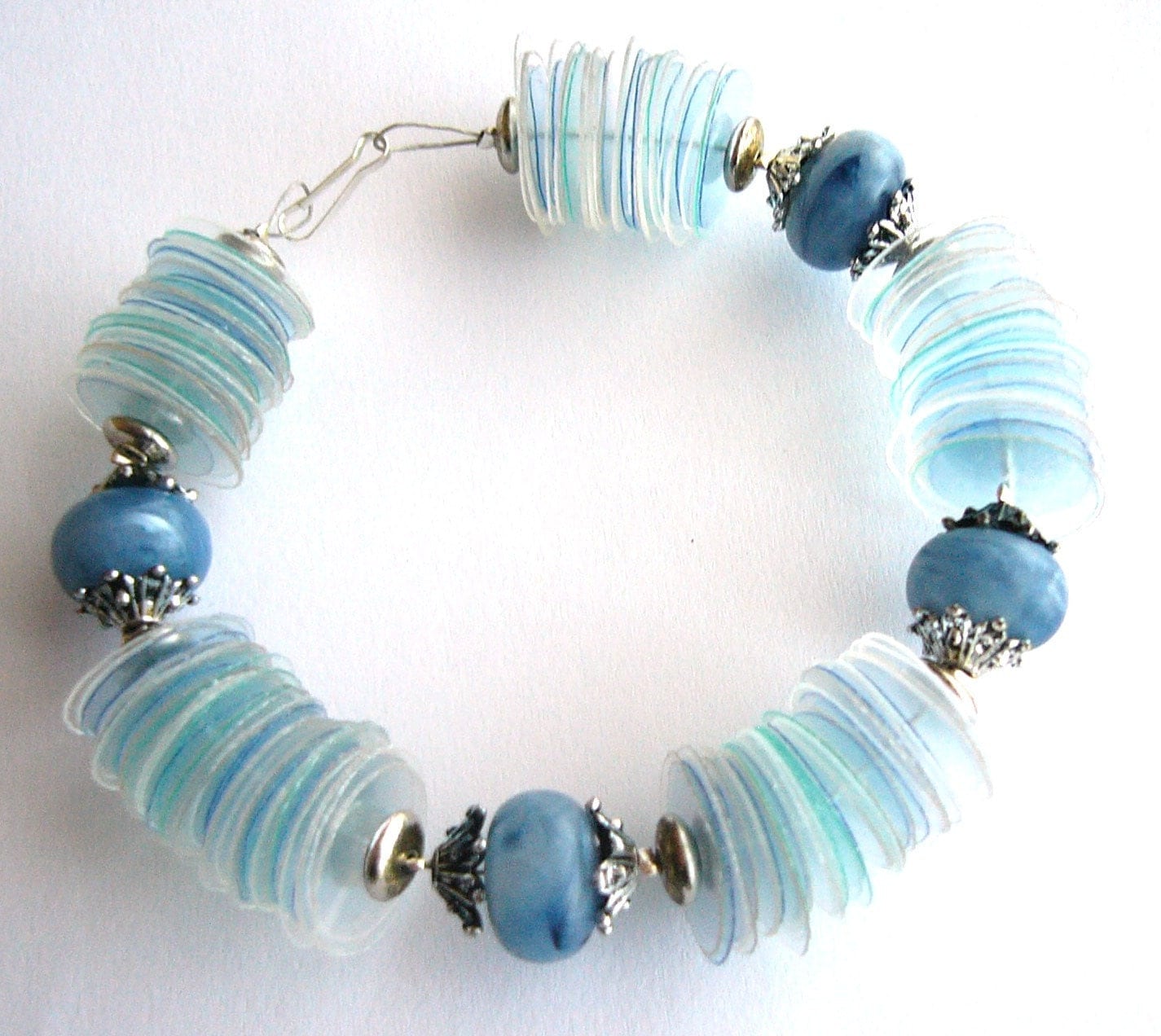
Aneta from dekoprojects: I recycle many kinds of plastic bottles and containers in various colors. I like to use paper too: I make paper beads which I use in some of my works. As all upcyclers I also love extraordinary objects: old jewelry pieces, mechanical parts, buttons etc. I recycle because I hate wasting things, so when I've met with the idea of recycling trash into jewelry I just loved it and decided to try it. For me creating jewelry from ready parts makes no challenge nor fun, it's too easy! I love the fact I have more possibilities when working with trash than I would have if I used standard jewelry components. But it takes much time to recycle some things - and this is a great disadvantage, that sometimes makes me close to give up some projects.


Dorota from DorotaKos: All the work is made using my own technique.  Jewelry is made from used synthetics. I do not like to produce waste and garbage but I like to use the imagination to create something with the seemingly unnecessary things. I think it is fun to do something out of nothing. That’s the way I live and work:)


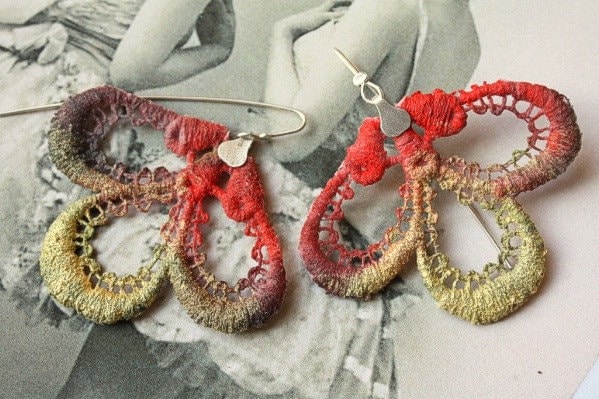
Magdalena from modesign: In my jewelry work I use old lace. I cut it, paint it, and cover with some kind of glue to make it water resistant. I add sterling silver elements and naturals stones. That's all. Recycling old lace I give it a new life, enpowerig  it with color and silver, gemstones and shining drops -  elements of glamour... I love playing with color's tones!


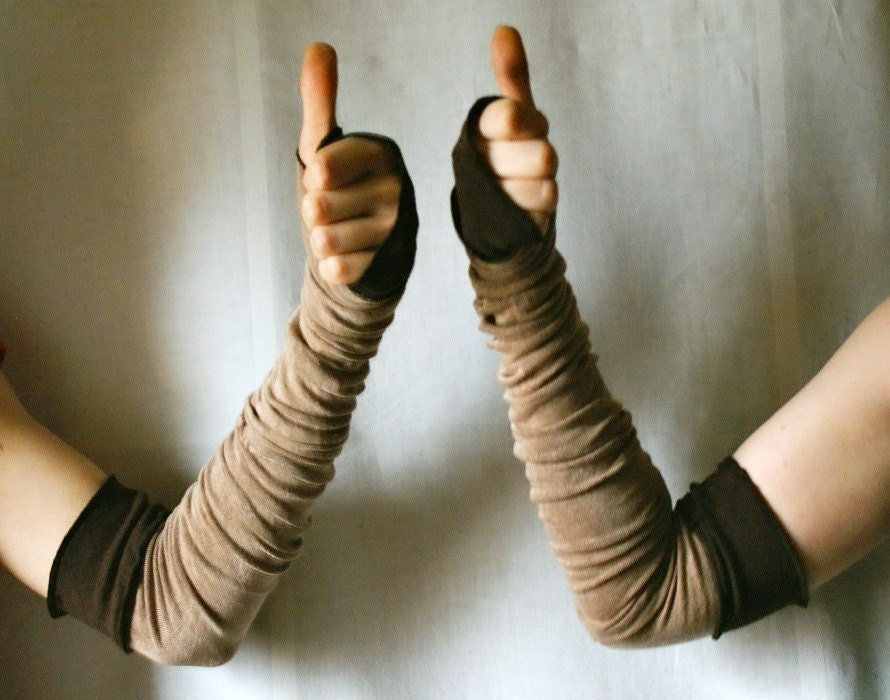
Anna from cutrag: I sew from recycled clothing and vintage materials. This is my very small contribution to preserving our planet for all the small beings who will live here when we were gone. I would like to keep for them little beauty :)


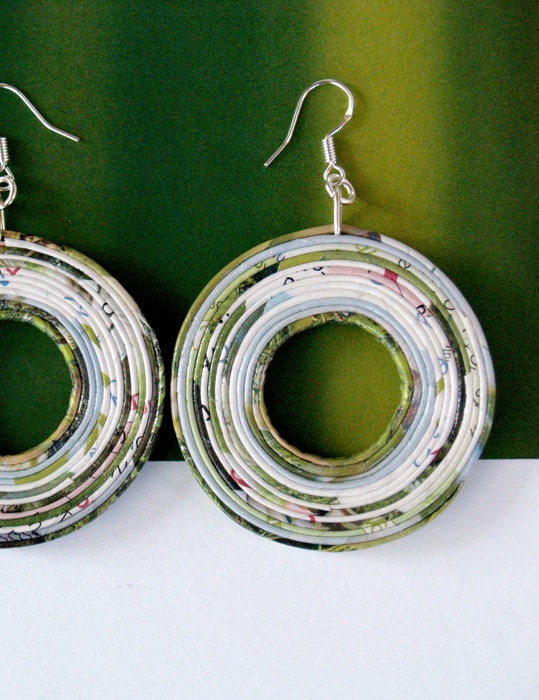
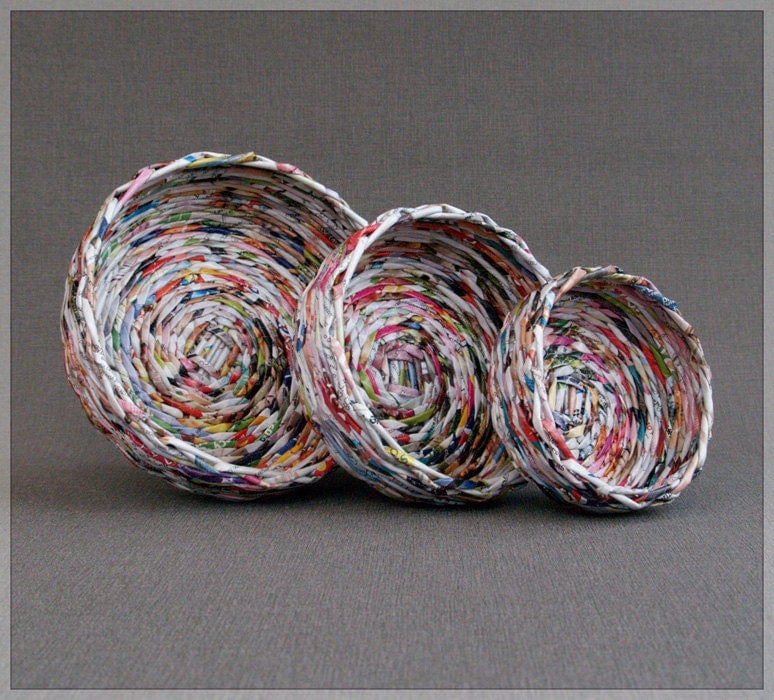
Alicja from BluReco: I try to use as often as possible the 3R principle (reduce-reuse-recycle) and what I make now is a result of this. I love the paper as the material, seemingly weak and unstable after appropriate processing is completely new, extremely strong and durable. Actually, regardless of what materials besides paper I’m using in my work, recycling is always a must:)


Wednesday, March 28, 2012

Creative Material: light


Jagna from PhotographyByJagna says: To me photography is all about light - in many cases the use of light is the very deciding factor of whether a picture will be spectacular or very, very bad. My rule number one is 'Never use flash'. And I mean never - at least not that built-in flash-kind-of a thing, and the external flash I also use very, very rarely. My rule number two is 'Experiment with light'. Experimenting in this case means using different lenses, filters, screens, soft boxes, light boxes, reflecting surfaces, different sources and angles of light. When I get to shoot with my analogues, I like to play with multiple exposure changing the light arrangement in between shots - the results of this can be really amazing. But most of all I like the natural early morning or early evening light (somewhere around the golden hour), which is very soft and perfect for shooting dreamy impressional photos.


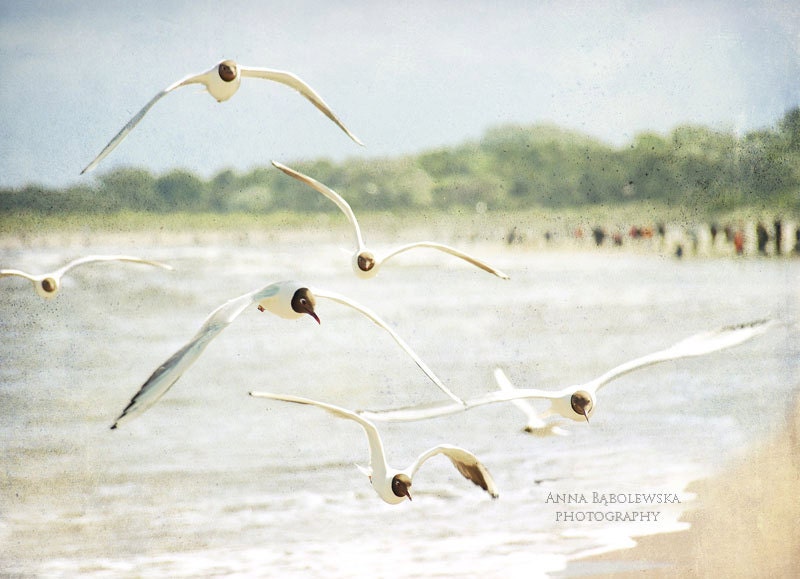
Ania from AnnaBabolewska says: The light in the photograph is the most important creative element. Photographing in the interior I often use the mild light entering through the north window. My favorite is definitely the natural light, although sometimes I enhance it and put in the background Christmas tree lights. I like the outdoors and the warm afternoons, especially when the light is filtered through the leaves and creates an interesting bokeh effect. The challenge is to photograph int the sun when the image gets slightly blurry with a flare effect.

Joanna JoannasFoto says: Light is the most important aspect of photography for me. The term photography derives from greek and can be translated as drawing with light. The greek meaning explains very much the most powerful feature of light when used in photography. You can truly paint with it by using its different properties. When photographing my subjects this is the first and most important thing I analyze before other aspects of the frame come to play. Majority of my work was created with natural outdoors light. My favorite is the warm afternoon light, when sun is setting down and light adds beautiful warmth to the photographed subject. I like to diffuse it and additionally make it even softer and giving impression of wrapping my subject in its warmness.


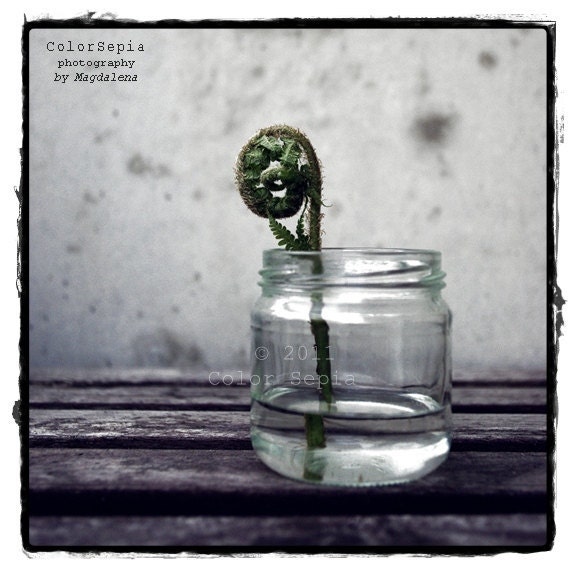
Magdalena from ColorSepia says: Most frequently I’m photographing in daylight. I love the early mornings when everything comes to life. I also like cloudy, foggy days and the atmosphere, which the light creates in the corners of the old buildings.


Saturday, February 25, 2012

Creative Material: color


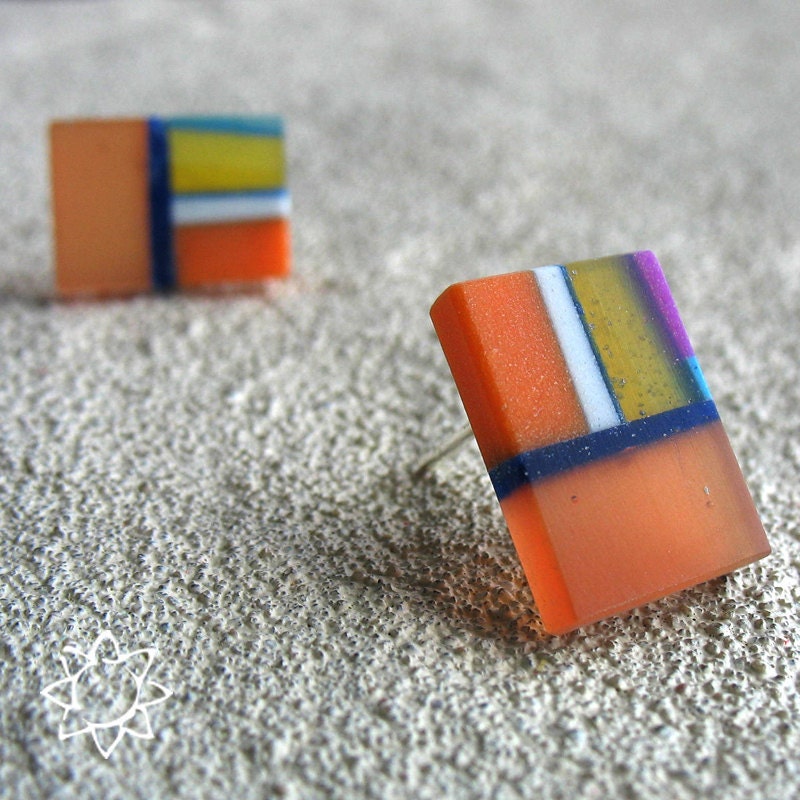
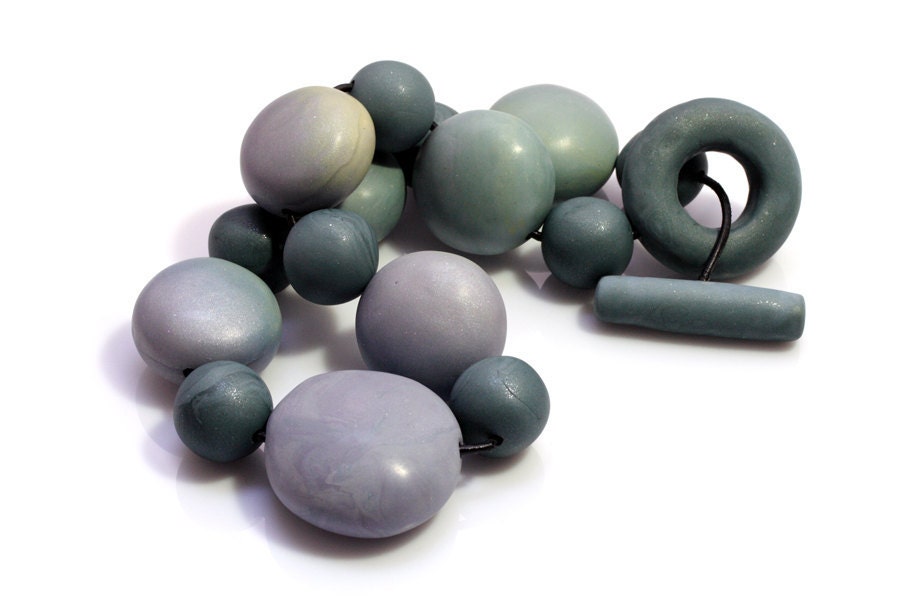
Jagna from JagnaB says: Working with polymer clay is all about color, unless you are painting your pieces of course, but why paint and give up the satin-smooth texture of sanded and polished clay when you can get any color you want just with the clay itself? Usually it's color that is my first inspiration, once I have the color palette that I like I start adjusting the graphical design that will suit the color scheme the best. I see my pieces more like art than jewelry in the traditional meaning, therefore I keep the form very simple and use it more like canvas on which I create a polymer clay 'drawing' - the whole technique which I have developed myself is quite complicated but color plays in it the very major role; I use gradients of 2 or more colors, shading, contrast and few other color-based tricks to achieve the clean and dramatic effects I like to see on my pieces. My work is very intuitive when it comes to color, I do not strictly follow any theories nor rules, I just have my favorite palettes (I love gray scale, then all shades of blue, also everything natural... if there is a color I do have a problem with, it is pink) and I find inspiration everywhere around me.


Marta from Zagroda says: Color is the most important component of my work. Color impression is noticed in the first place, a later on the shape, texture and composition. If that first impression is positive, significantly facilitates the decision to purchase:) That’s why the colors of my wool must be beautiful and original - I try to make them different from products manufactured in series, because that's what gives them their character and charm. My favorite works are those where the colors complement each other. But I do like when the colors merge like a dancing pair: each is an individual, but they follow along in the same direction, conjuring up a series of a delicate half-tones.


Monika from ProjektMosko says: I like to work in a relatively narrow color range. This makes most of my works goes fine with each other, they have a consistent character. Lead, silver, gold, black and red are my favourite: these colors are so strong.

Manuela from MANUfakturamaanuela says: When creating jewelry, I try to choose colors that are vivid and bold, which will add life to any clothes. Choosing colors to work together - in my case soutache cords - I put them side by side and I look if they do work together. Color combinations in fashion styling inspire me often. My favorite color combo by far is: navy blue, azure and red wine color.


Thursday, January 26, 2012

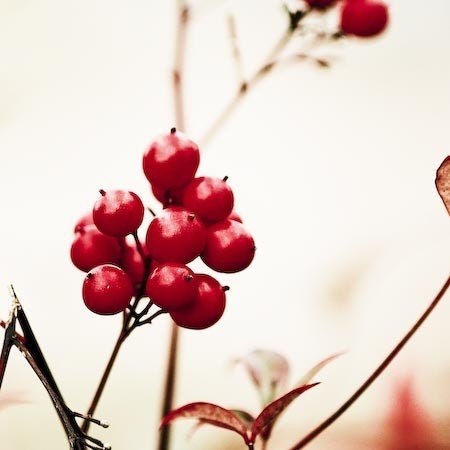
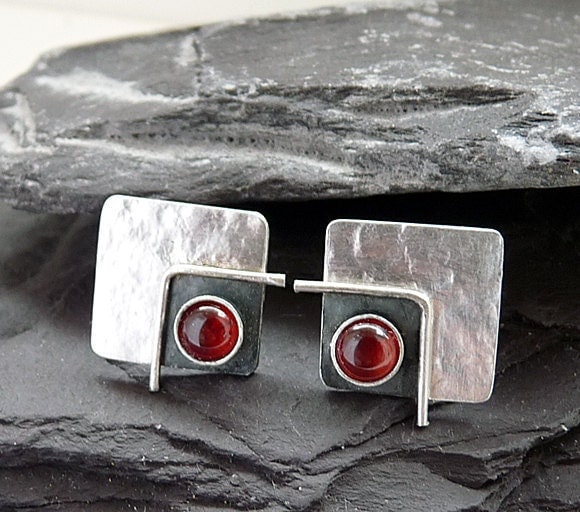
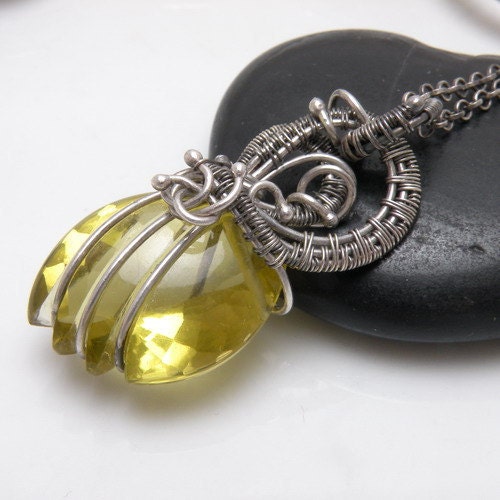
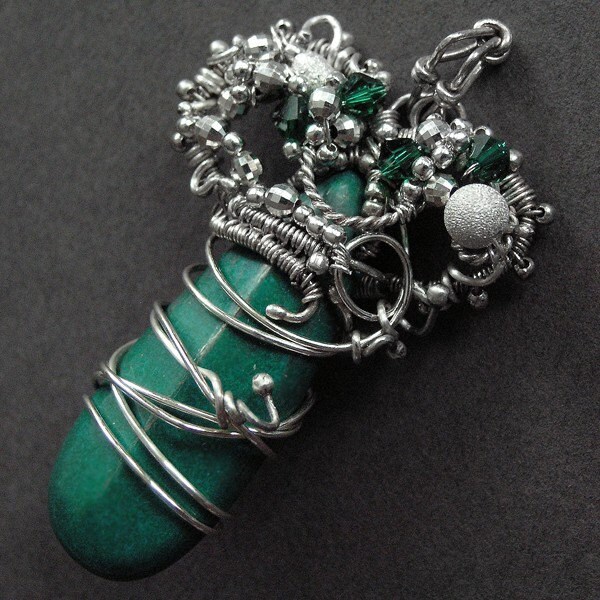
Creative Material: silver


Katarzyna from Kailajewellery: In my work I use silver not only because of its beauty and nobility, but also because of ease of processing. Working with silver gives me plenty of opportunities to experiment and implement my ideas. An important thing is also the low price of this metal as compared with gold or platinum. Silver is a great material to work: it readily combines with other metals. One of my favorite combinations is silver and copper. Silver jewelry requires proper care. Unrefined silver over time gets precipitated. You can find ready means to clean silver jewelry. I recommend the cleaning cloth for jewelry: it effectively removes impurities with no risk of damage. Silver jewelry should be cleaned regularly and kept in separate containers to prevent scratching.


Kornelia from MadeBySunflower: I use silver because it is a timeless and versatile metal. With oxidation you can get the effect of the old jewelry that is very often used at wire-wrapping. Such jewelry has a soul and some story to tell. I like the combination of silver and copper also with elements of gold. Oxidized silver should not be cleaned with any detergents, because they can make oxidation disappear, the safest way is to use cleaning cloth for jewelry.


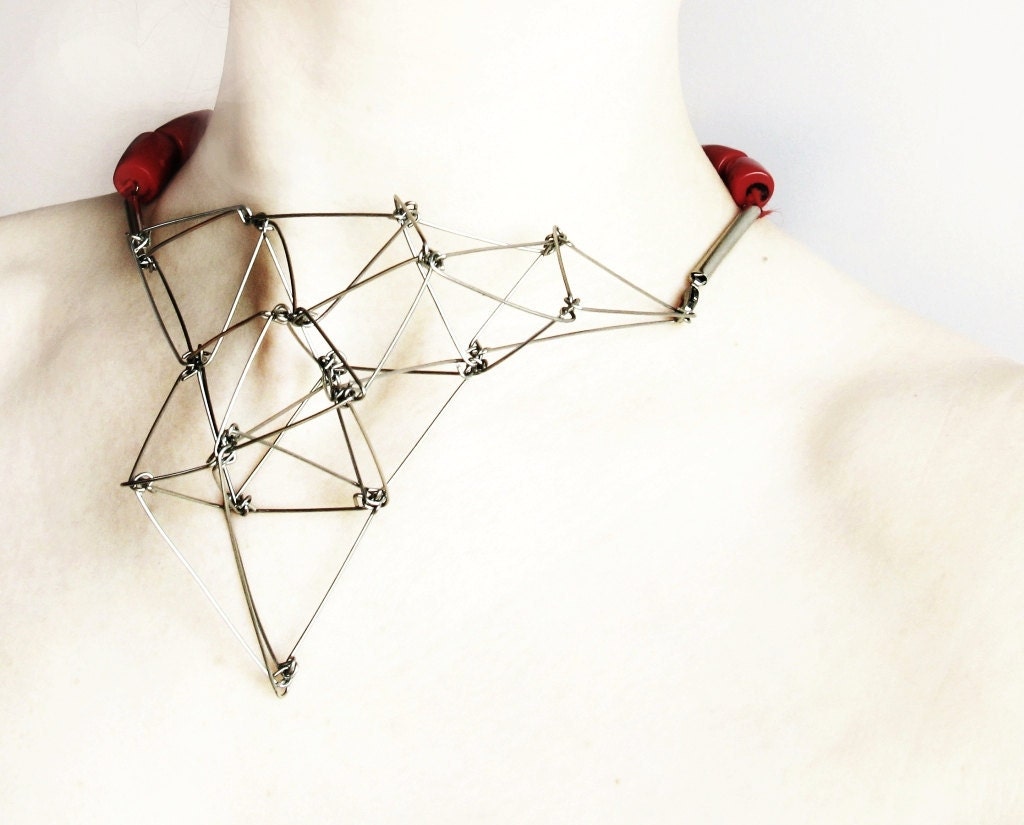
Ania from AnnaMroczek: I chose silver because I believe that the technique I use goes best with precious metals. My work is time consuming, the technique requires some skill and the customer pays mainly for the creative idea and time spent on it. And when the customer pays, wants to know what for. The material should be durable and as precious as stone woven into jewelry. Another important thing, for which I decided to work with this and no other material is that it’s easy available in different thicknesses of wire and sheet of different hardness . And also privately I like silver as jewelry for it’s color and durability.

Thursday, November 24, 2011

Creative Material: paper


Anna from MolMolly says: My relationship with the paper lasts for many years now and I still think that this is the most wonderful material to work with - I love it for its transience and impermanence. I have great respect for it, because I remember the days when it was hard to get (my degree was on a roll of paper for ECG, I could not get anything else 30 years ago in Poland). Today, I gather and collect all the scraps, these useful as well as these probably not.


I work with paper in various ways: making papier-mache sculptures, cut-outs, paper jewelry or weavings from the paper yarn I made myself. Even the curtains in my house are cut out of paper, no need to wash, just cut the new one if the old gets dirty;)


Mainly I paint on paper and very rarely betray it to the other techniques, I often use scraps of paper, the old packaging, random card, these are base to the most spontaneous work. I do not expect my work to survive me, so I do not pay much attention to a quality of a base on which I work, but sometimes I use a special artistic paper, and then I am happy as a child, because it helps you achieve interesting effects. However, work on a decent, durable and expensive material is always stressful to me, and why should I be upset if the work is supposed to be happy?


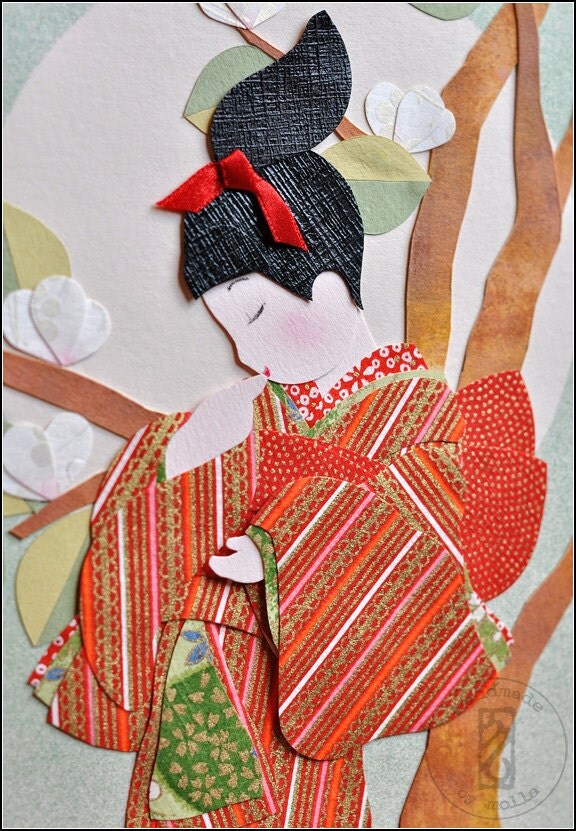
Mariola z Moligami says: The paper is an extraordinary material, versatile, yet very durable, its so unusual qualities give room for creativity. It’s my beloved material, in particular Japanese papers, which have no equal. I especially like working with Japanese paper YUZEN, also called chiyogami. It’s beautiful, rich and decorative paper, my paper figures and dolls come to life and become colorful butterflies in kimonos "sewn" in this paper. Its designs are drawn from the rich Japanese symbolism of the seasons, natural elements, cherry blossoms, summer grass, pine, fan, bamboo, sea waves. Holding a sheet of Yuzen paper gives you the impression of something rich and urges you to create something sophisticated and beautiful. The extraordinary quality of this paper makes it very versatile; it can be used in many areas of origami crafts, scrapbooking, bookbinding, jewelry, cardmaking and many others. Sheets of paper are very flexible, strong and absorbent. This paper is the essence of Japanese design, which is why I so strongly associate with it, actually all of my works are created from it, it’s the power of pattern and color that makes it so unique. Just take your glue and scissors or a knife and begin to conjure beauty.


Iza form SzalonaIsa says: I choose paper, because there are so many types of it, and you can make with it whatever you want. You can bend it, tear it, crash it and stick it together creating something new from something old. My favorite attribute of paper is that I can be used again and again. Almost every little scrap can be used to create something new . It can be also mixed with every other material. Paper is a very fragile, but if it is well protected from moisture it will last very long. I usually use fixative and varnish. It confers rigidity and protects against moisture and fading.


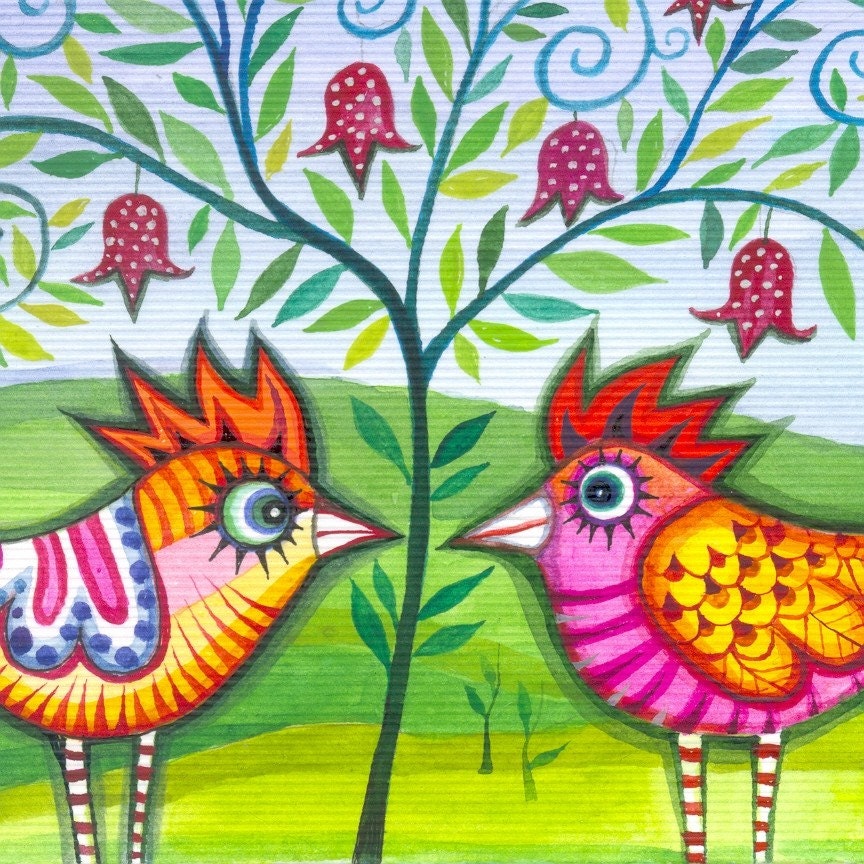
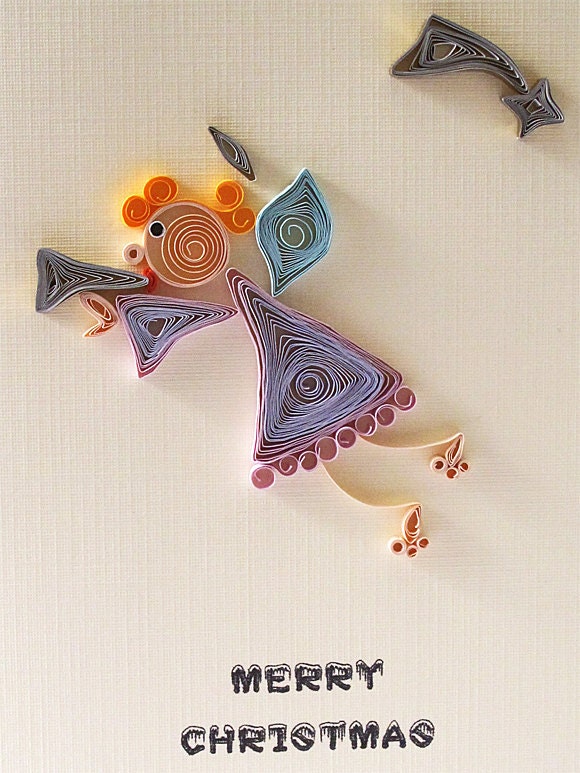
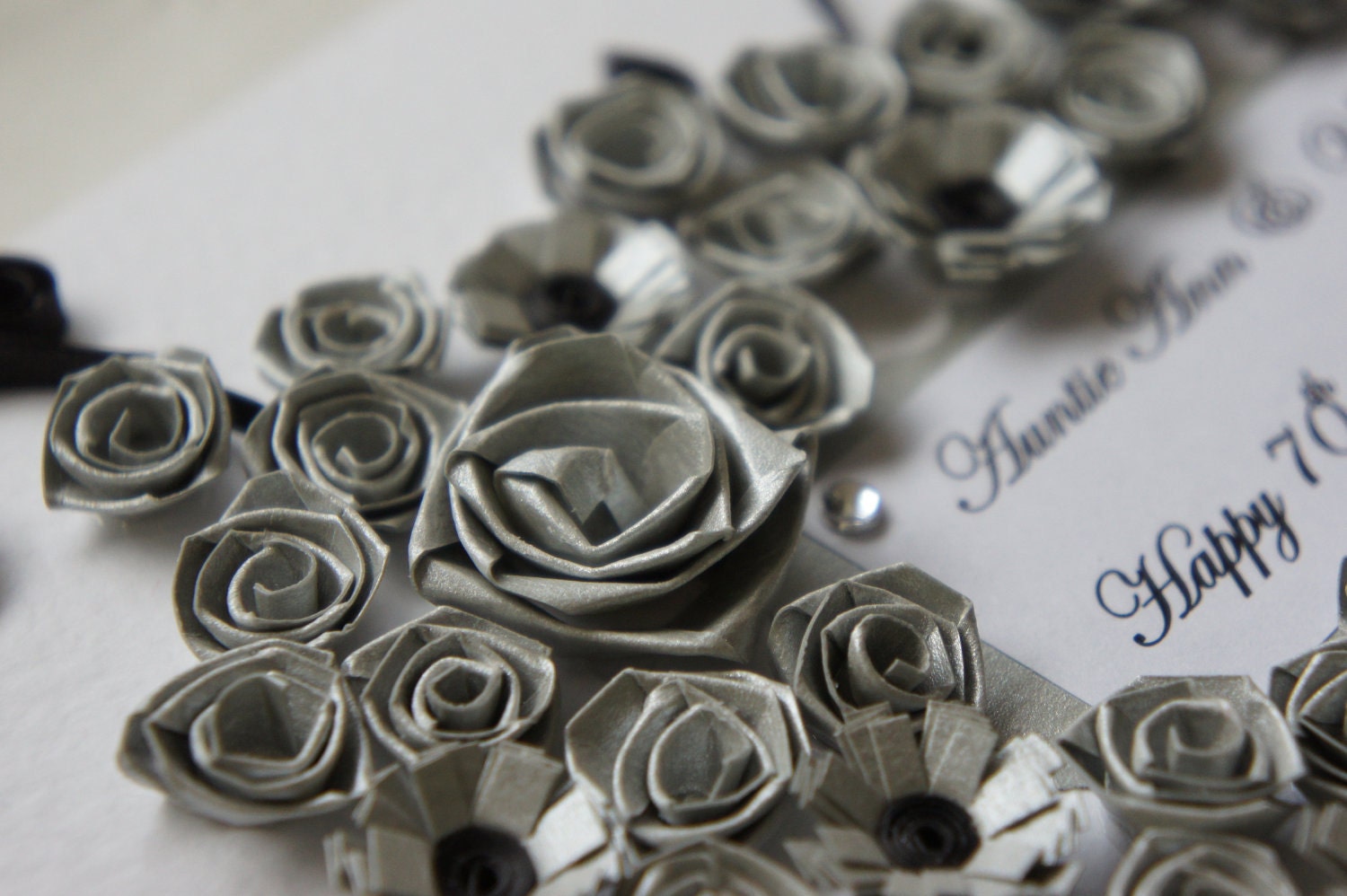
Aga from AgaQuilling says: I've only recently started working with paper but I think it is absolutely brilliant. What I really love about paper is it's diversity. It is so flexible that you can make basically anything you can think of with it. I use it for quilling, which is rolling narrow strips of paper. I can create pictures just by rolling it and it looks amazing. I also make my own envelopes and boxes using recycled paper to give it a second life. You can even use paper to create jewellery, which, thanks to the sealer, can be worn outside in the rain.
Take a look At POLetsy member GIVEAWAY  
Related Posts Plugin for WordPress, Blogger...

Last Month popular posts